
How Chiropractors Treat TMJ, Headaches, and Migraines

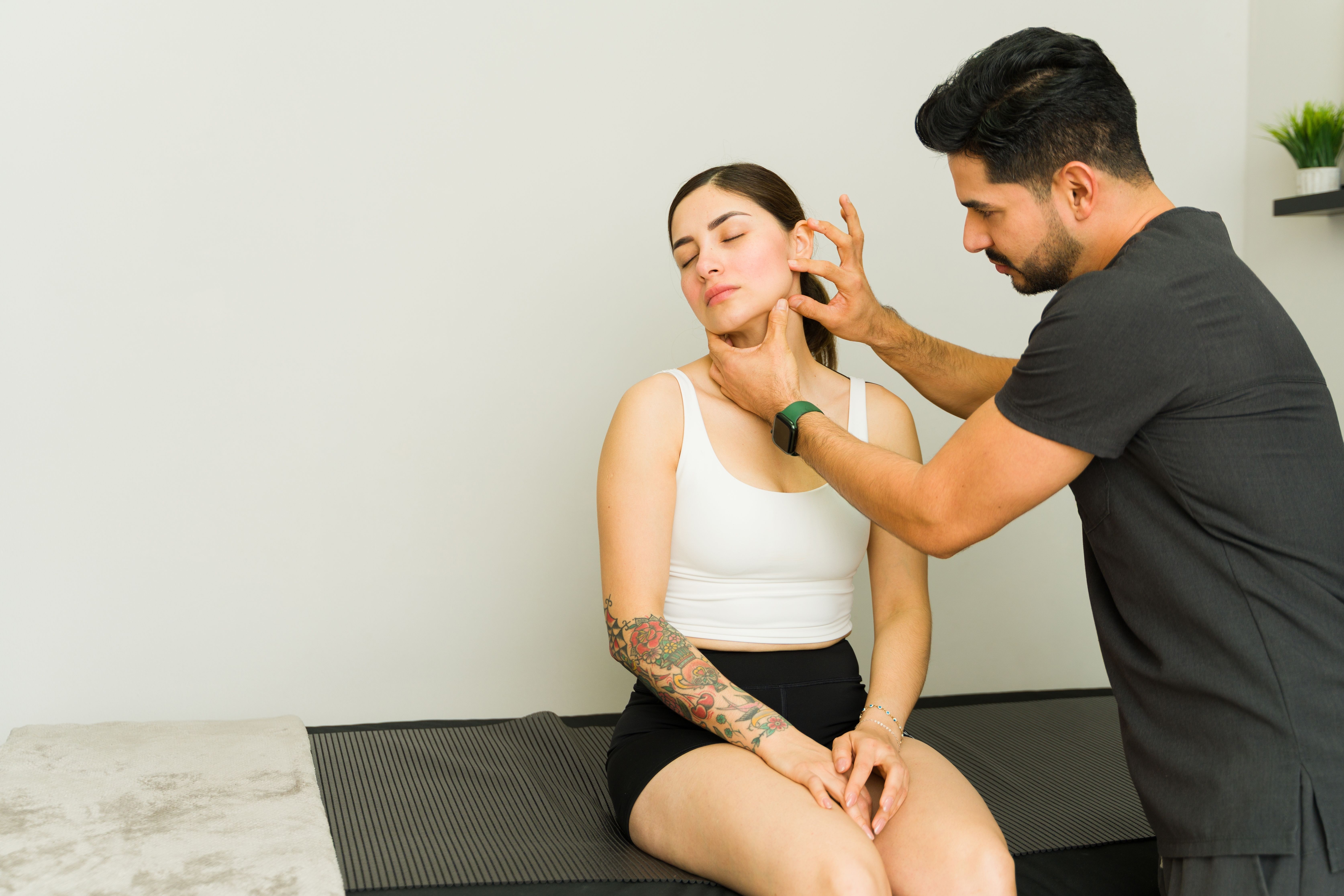
Jaw pain. Recurring headaches. Debilitating migraines. These conditions are often treated separately, yet they are frequently connected. Many people rely on medications for temporary relief, but lasting improvement often requires addressing the underlying cause.
At Cashae Spine & Sports, we take a whole-body approach. TMJ disorders, headaches, and migraines commonly stem from spinal misalignment, muscle tension, and nervous system imbalance. Chiropractic care focuses on correcting these dysfunctions so the body can function the way it was designed to.
The Connection Between the Jaw, Neck, and Head
The temporomandibular joint (TMJ) works closely with the muscles and joints of the neck. When the cervical spine is misaligned or restricted, it can create increased tension and stress that radiates into the jaw and head.
Because the upper neck houses critical nerves and supports the skull, dysfunction in this area can contribute to:
- Jaw pain or clicking
- Facial tension
- Tension headaches
- Migraine triggers
When the neck is not moving properly, the surrounding muscles often overcompensate - leading to inflammation, nerve irritation, and chronic discomfort.
How Chiropractic Care Helps TMJ Disorders
Chiropractic treatment for TMJ focuses on restoring proper mechanics to both the jaw and the cervical spine.
Gentle cervical adjustments can reduce nerve irritation and improve alignment, relieving stress placed on the jaw joint. When the upper spine moves correctly, the muscles that control jaw movement often relax.
In some cases, specific TMJ mobilization techniques are used to improve jaw range of motion and reduce joint restriction. Soft tissue therapy may also be incorporated to release tension in the jaw, neck, and upper shoulders - areas that commonly contribute to TMJ pain.
Rather than isolating the jaw alone, care is directed at the entire functional chain that influences it.
Chiropractic Treatment for Headaches
Many headaches originate from dysfunction in the neck. These are often referred to as cervicogenic or tension headaches. Poor posture, prolonged screen time, and stress can overload the muscles of the upper back and neck.
Chiropractic care helps by improving joint motion and reducing muscle tension. Treatment may include:
- Targeted spinal adjustments
- Soft tissue work to relieve tight muscles
- Postural correction strategies
As spinal mechanics improve, many patients notice a reduction in both the frequency and intensity of headaches.
Supporting Migraine Relief
Migraines are complex neurological events influenced by multiple factors, including stress, muscle tension, and nervous system sensitivity.
While chiropractic care does not claim to cure migraines, it can support migraine management by reducing mechanical triggers in the neck and improving nervous system function. When spinal stress and muscular tension decrease, the body is often better able to regulate itself.
Patients frequently report fewer migraine episodes and shorter recovery times with consistent care.
Addressing Posture and Daily Habits
Modern lifestyles place significant strain on the neck and jaw. Forward head posture - common with computer and phone use - adds pressure to the cervical spine and surrounding muscles. Over time, this can contribute to both TMJ symptoms and chronic headaches.
At Cashae Spine & Sports, care plans often include corrective exercises, ergonomic recommendations, and movement strategies to prevent recurring strain. Treating the cause means also correcting the habits that contributed to the issue in the first place.
Why a Root-Cause Approach Matters
Pain medication may temporarily dull symptoms, but it does not correct joint restriction, misalignment, or muscular imbalance. Chiropractic care focuses on restoring proper movement and alignment so the body can heal and function more efficiently.
When biomechanics improve, the stress on the jaw and nervous system decreases - often leading to lasting relief instead of short-term fixes.
Your Path to Fewer Headaches Starts Here
TMJ disorders, headaches, and migraines are frequently interconnected conditions rooted in spinal and muscular dysfunction. By addressing alignment, muscle tension, and nervous system stress, chiropractic care offers a comprehensive, non-invasive solution.
If jaw pain, headaches, or migraines are disrupting your life, contact Cashae Spine & Sports. Visit our office in Silver Spring, Maryland, or call (240) 219-8975 to book a consultation today.



Powered by: 